

Beef Export Logistics Asia Buyers Need to Understand
Getting the meat onto a boat is the easy part. The part that actually determines whether a shipment clears customs without a headache is the documentation and cold chain handling behind it, and that’s where a lot of buyers, especially newer ones, run into trouble they didn’t see coming.
Here’s how beef export logistics Asia and US shipments from Spain actually work in practice, and what you should be asking your supplier about before you commit to an order.
Cold Chain Beef Shipping: How It Actually Works
Frozen beef almost always travels by refrigerated sea freight. A standard reefer container, whether 20 or 40 feet, holds somewhere between 20 and 26 tonnes of product, and the onboard refrigeration unit runs off the vessel’s power supply for the entire voyage. Temperature isn’t just set and forgotten either. Modern cold chain beef shipping carries a temperature monitoring device inside the container that logs conditions continuously from origin to destination, and that log becomes part of the compliance paperwork buyers are increasingly expected to produce on arrival.
Sea Freight Beef Transit Time to Asia and the US
Sea freight beef transit time to major Asian ports typically runs three to five weeks, depending on the specific port and carrier. Shipments to the US move faster across the Atlantic, usually in the range of one to two weeks depending on the East or West coast routing. Air freight exists as an option for smaller premium chilled orders, but it’s expensive enough that it’s rarely used for standard wholesale volumes.
Refrigerated Container Beef Export Requirements for China
For buyers shipping into China specifically, there’s a registration layer that catches a lot of people off guard. China’s customs authority, the GACC, requires overseas meat producers and exporters to be registered through a system called CIFER before any product can legally enter the country. This isn’t something you sort out after the fact. The exporting facility needs to already be on China’s approved establishment list for your specific product category, and that approval is tied to the individual plant, not just the exporting country as a whole. If your supplier’s facility isn’t already registered for the market you’re shipping to, that’s a problem you need to solve before signing a contract, not after the container leaves port.
Japan runs its own version of this, with import authorities checking that the originating facility has the right health certification for beef specifically, issued by an EU-approved veterinary authority confirming the product is fit for human consumption and free of specified animal diseases. Buyers should ask for this certificate up front, not assume it’ll show up automatically with the shipment.
Beef Import Documentation China and Other Markets Require
On the documentation side generally, expect to need a veterinary health certificate, a certificate of origin, commercial invoices and packing lists, and increasingly, the temperature log data from the reefer container itself. Beef import documentation China customs officials expect also includes confirmation of CIFER registration status. Some markets also require a halal certificate if that’s relevant to your product line, issued by an authority the importing country actually recognizes, not just any certifying body.
What Causes Beef Export Customs Clearance Delays
Beef export customs clearance timing varies a lot by port and by how complete your documentation is going in. Ports with dedicated cold storage and inspection facilities for meat imports tend to move faster, since the infrastructure exists to handle temperature-sensitive product without unnecessary delays. Incomplete or inconsistent paperwork is the single biggest cause of clearance delays we see, and it’s almost always avoidable with the right supplier relationship.
A few practical things worth doing on the buyer side:
- Confirm your supplier’s facility registration status for your specific country before finalizing a purchase order
- Ask for a sample of the documentation package they typically provide so you know what to expect
- Build a realistic timeline that accounts for both transit time and potential customs processing time, rather than assuming the shortest possible transit window every time
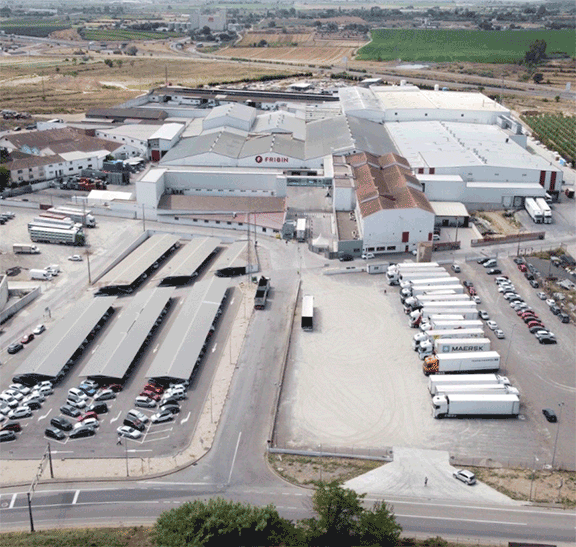
Fribin handles the full documentation and cold chain process for every international shipment, including the country-specific registration and health certification our beef export markets require. We work directly with buyers to make sure paperwork is sorted well before a shipment leaves Spain, not scrambled together at the last minute.
Frequently Asked Questions
How long does beef take to ship from Spain to major Asian ports?
Generally three to five weeks by sea, depending on the destination port and carrier route.
What documents are required to import beef into China?
At minimum, a veterinary health certificate, certificate of origin, commercial invoice, packing list, and confirmation that the exporting facility is registered through China’s CIFER system.
Does the exporting facility need separate approval for each country?
Yes. Approval is typically granted at the individual plant level for each destination market, not automatically extended across countries.
What is a temperature monitoring device and why does it matter?
It’s a logger placed inside the reefer container that continuously records temperature throughout transit, providing a compliance record that’s increasingly required by both buyers and customs authorities.
Is air freight ever used for beef exports?
Occasionally, for smaller premium chilled orders where speed matters more than cost, but it’s uncommon for standard wholesale volumes.
What causes the most customs clearance delays?
Incomplete or inconsistent documentation is the most common cause, more so than actual product issues.
How far in advance should I confirm my supplier’s registration status?
Before signing any contract or placing a purchase order, ideally as one of your very first questions to a new supplier.
Do halal certification requirements apply to standard beef shipments?
Only if that’s specifically relevant to your product line or destination market, but if it applies, the certificate needs to come from an authority your importing country actually recognizes.
Can a buyer track a shipment’s temperature during transit?
Increasingly, yes, since many reefer shipments now include real-time or logged temperature data that can be shared with the buyer.
What should I ask a new supplier before placing a first order?
Their facility’s current registration status for your country, what documentation package they typically provide, and their standard transit and customs timeline for your specific route.
If you’re setting up an import relationship and want a clear picture of beef export logistics Asia shipping requires, our export team can walk through documentation, timelines, and registration status for your specific market before you commit to anything.
For official guidance on China’s meat import requirements, see the EU SME Centre’s guide to exporting meat products to China.